
Classic French Bisque de Homard Recipe (Lobster Bisque) is one of those dishes I used to order at restaurants and assume I could never pull off at home. Then I had one cold, rainy weekend where I really wanted something cozy and a little special, but I did not want to leave the house. If you have ever stared at the seafood counter thinking, “I want lobster bisque, but I do not want a huge cooking project,” you are in the right place. This is my go to method when I want a rich bowl of comfort without making it feel intimidating. I will walk you through it like a friend in the kitchen, because honestly, that is how I learned too.
Why This Recipe Works
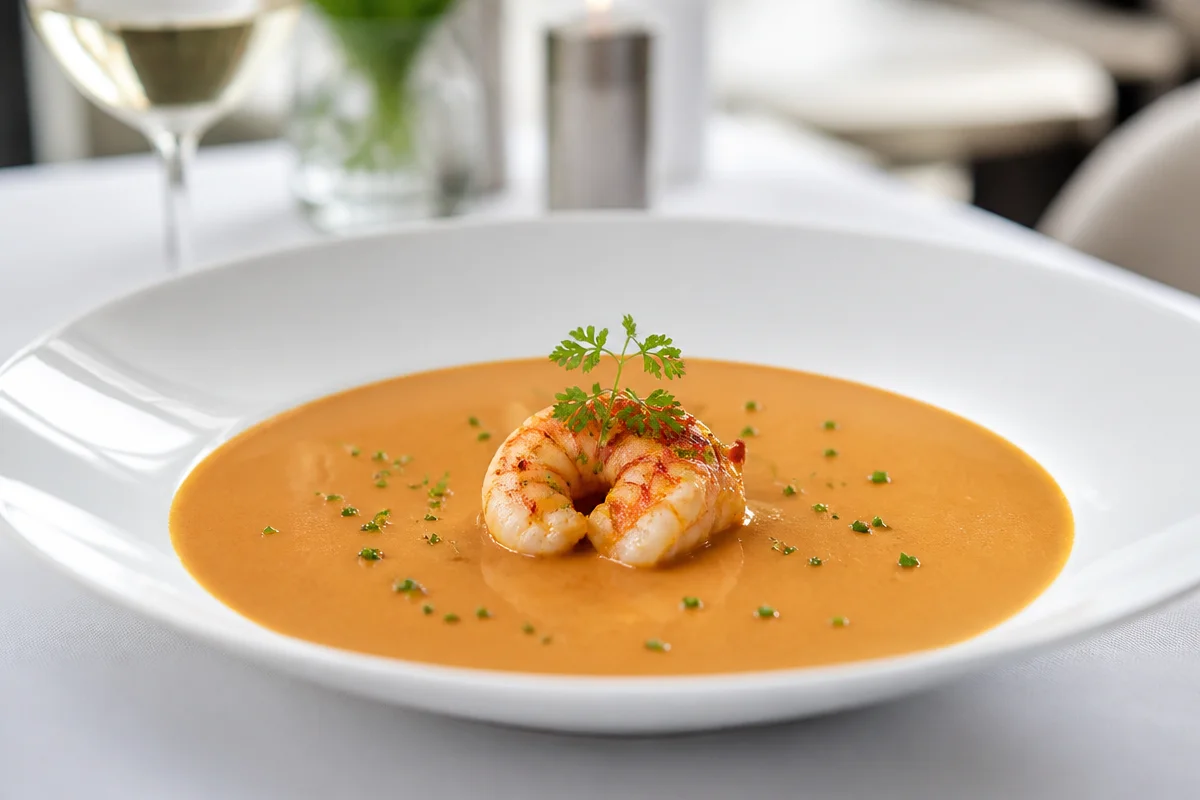
What makes a bisque feel like a real French bistro moment is the deep lobster flavor, the gentle sweetness from sautéed veggies, and that creamy finish that tastes fancy but feels soothing. This recipe works because we build flavor in layers and we do not rush the stock. The lobster shells do so much heavy lifting, so even if your lobster meat portion is not huge, your soup still tastes like lobster.
I also like that you can make this in stages. Stock first, bisque later, or do it all in one afternoon if you have the time. And if you are planning a classic French night, I love pairing this with something simple earlier in the day, like this easy French omelette for lunch so dinner can be the star.
Here is the basic flow so you know what you are getting into:
- Roast or sauté shells to unlock flavor
- Simmer a quick lobster stock with aromatics
- Blend and strain for that smooth restaurant texture
- Finish with cream and add lobster meat at the end
;
Ingredient Notes
You do not need a long shopping list, but the few ingredients you choose really matter here. I am going to keep this practical and realistic for home cooking.
The lobster: fresh, frozen, or leftover
If you can get fresh lobster, amazing. If not, frozen lobster tails work great. Even better, if you have leftover cooked lobster from a weekend splurge, save those shells. The shells are gold for bisque.
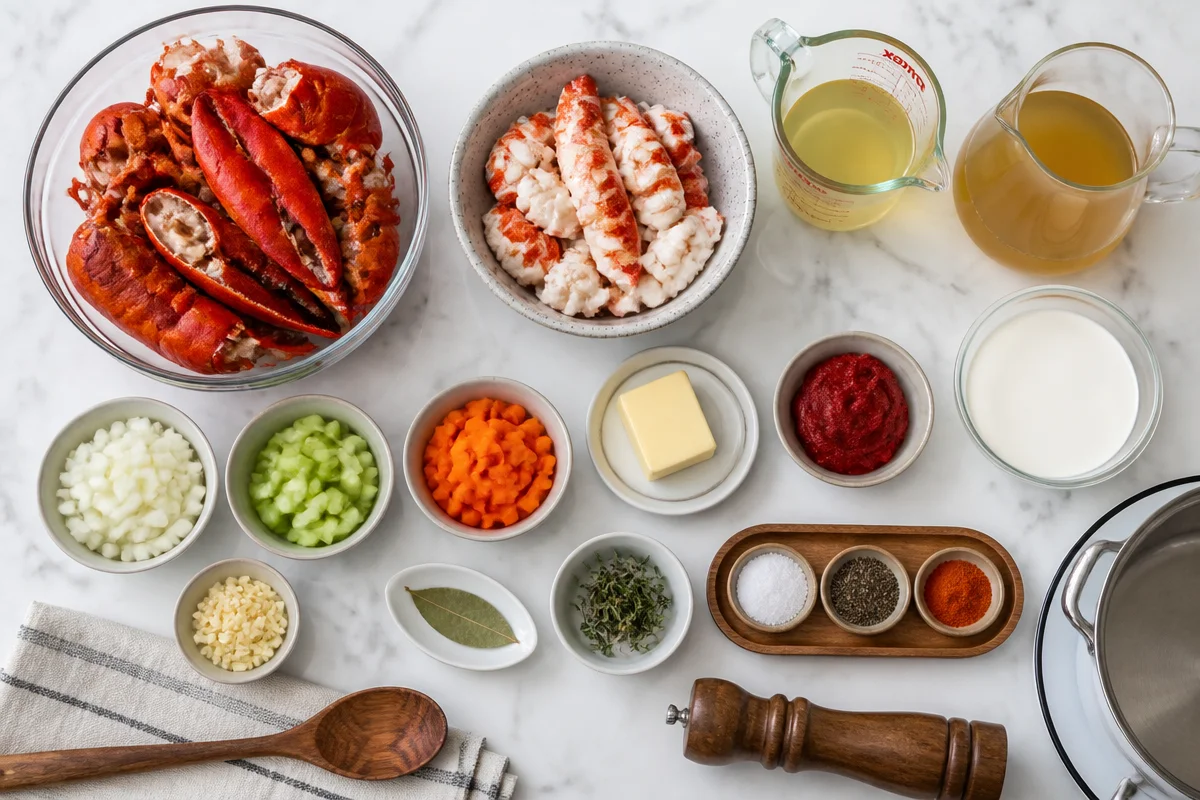
What you need in plain terms:
- Lobster shells for stock, plus some meat for serving
- Butter for richness and that classic flavor base
- Onion, celery, and carrot for sweetness and balance
- Tomato paste for color and depth
- Garlic because it belongs here
- Dry white wine optional, but it helps lift the flavor
- Seafood stock or water water is fine since shells do the work
- Bay leaf and thyme simple herbs, nothing fussy
- Heavy cream for the final silky texture
- Salt, black pepper, and a pinch of cayenne to wake it up
Small upgrades that make it taste like a restaurant bowl
These are optional, but I reach for them when I want that extra “wow.” A tiny splash of cognac or brandy is classic. A little paprika helps the color. And if you have it, a spoon of seafood base can boost flavor, but be careful with salt.
Also, if you are planning dessert already (I always am), this classic French creme brulee is basically made for a cozy seafood dinner night.
Helpful Equipment
You can absolutely make this without a fancy kitchen, but a couple tools make it less annoying and more enjoyable.
Here is what I actually use at home:
- Large pot or Dutch oven for stock and soup
- Sheet pan if you want to roast shells for deeper flavor
- Blender or immersion blender for that smooth bisque texture
- Fine mesh strainer this is the secret to silky bisque
- Kitchen shears to cut shells without a struggle
If you only have a regular blender, blend in batches and do not fill it too high, because hot soup expands and it can splash. I learned that the messy way.
“I made this for my anniversary dinner at home and it tasted like something from our favorite French spot. The straining step felt extra, but it made it so smooth. Total keeper.”
Tips for Success
This is the part where I save you from the little mistakes that can dull the flavor or mess up the texture. None of these are hard, but they matter.
Do not rush the shell step. Whether you sauté or roast, you want those shells to turn fragrant and slightly darker. That is where the bisque gets its signature richness.
Keep the simmer gentle. A hard boil can make stock taste a bit harsh. A quiet simmer is what you want, like small bubbles and a calm surface.
Add cream at the end. Once cream is in, keep the heat low. You are warming, not boiling. This keeps the bisque smooth and prevents weird texture.
Taste before you salt. Lobster shells, seafood stock, and any seafood base can already be salty. Taste first, season second.
Blend, then strain. Blending makes it creamy. Straining makes it luxurious. If you skip straining, it will still be good, just more rustic.
And if you are turning this into a full dinner, I love a hearty main on another night like this French beef bourguignon. It is a different vibe, but it scratches the same comfort food itch.
How to Make The Best Stock for Lobster Bisque
Good bisque starts with good stock. The nice part is lobster stock is straightforward. It just needs a little attention and a bit of time.
Step by step lobster stock (my no stress method)
1) Prep the shells. Crack or cut them into smaller pieces so more flavor gets into the pot. If your lobster is already cooked, that is totally fine.
2) Sauté the shells. Melt 2 to 3 tablespoons of butter in a big pot. Add shells and cook 5 to 8 minutes, stirring, until they smell sweet and toasty.
3) Add the aromatics. Toss in chopped onion, celery, and carrot. Cook about 5 minutes. Add 2 cloves minced garlic for the last 30 seconds.
4) Tomato paste time. Stir in 2 tablespoons tomato paste and cook 2 minutes. This step helps with color and that classic bisque flavor.
5) Deglaze. Pour in about 1 cup dry white wine (optional). Scrape the bottom and let it simmer 2 to 3 minutes.
6) Simmer the stock. Add 6 to 8 cups water (or a mix of water and mild seafood stock), plus 1 bay leaf and a few thyme sprigs. Simmer gently for 35 to 45 minutes. Skim foam if you see a lot, but do not obsess.
7) Strain. Strain through a fine mesh strainer into a clean pot. Press lightly on the solids, but do not mash hard or you can make it cloudy.
Turning that stock into bisque
Now you are close. In the clean pot with your strained stock, you can build the bisque:
1) Reduce a bit (optional). If your stock tastes a little light, simmer it 10 to 15 minutes to concentrate.
2) Blend for body. If you want a thicker bisque, blend a cup or two of the cooked veggies from the stock step (if you saved them) with some stock, then stir it back in. If you did not save them, no worries. Your bisque can still be beautiful and smooth with just cream.
3) Add cream. Lower the heat and stir in 3/4 to 1 cup heavy cream. Start with less, add more if you want it richer.
4) Season. Salt and pepper, plus a tiny pinch of cayenne. If you used brandy or cognac, add a small splash now.
5) Add lobster meat. Add chopped lobster meat at the very end, just long enough to warm through, about 1 to 2 minutes.
Serve it hot with crusty bread, a squeeze of lemon if you like brightness, and maybe a little chopped chive on top for color. The first spoonful should taste like the ocean in the best way, warm and comforting, not fishy.
Common Questions
Can I make Classic French Bisque de Homard Recipe (Lobster Bisque) ahead of time?
Yes. Make the stock and the blended soup base a day ahead. Add the cream and lobster meat right before serving for the freshest taste.
What if I only have lobster tails, not whole lobsters?
Totally fine. Use the tail shells for stock and chop the meat for the end. You will still get great flavor from the shells.
How do I thicken lobster bisque without making it heavy?
My favorite way is blending part of the soup and straining well. You can also reduce the stock a bit. If you use flour, keep it minimal so it does not turn pasty.
Why does my bisque taste bland?
Usually it needs more reduction time, a bit more tomato paste, or simply more salt. A tiny pinch of cayenne or a splash of wine can also wake it up.
Can I freeze it?
You can freeze the stock and the soup base before cream. I do not love freezing it with cream because the texture can change. Freeze base, then add cream after reheating.
A Cozy Bowl Worth the Effort
Making Classic French Bisque de Homard Recipe (Lobster Bisque) at home feels like a small victory, especially when you taste how much flavor you can get from simple shells and a patient simmer. Focus on a good stock, blend and strain for smoothness, and keep the cream step gentle at the end. If you want to compare notes with other classic approaches, I found Julia Child’s Classic Lobster Bisque – The Food Dictator super interesting, and Classic Creamy Lobster Bisque – Coley Cooks is a helpful read too. Now promise me you will actually make it, even if it is just for a quiet night in, because you really do deserve a bowl of this.
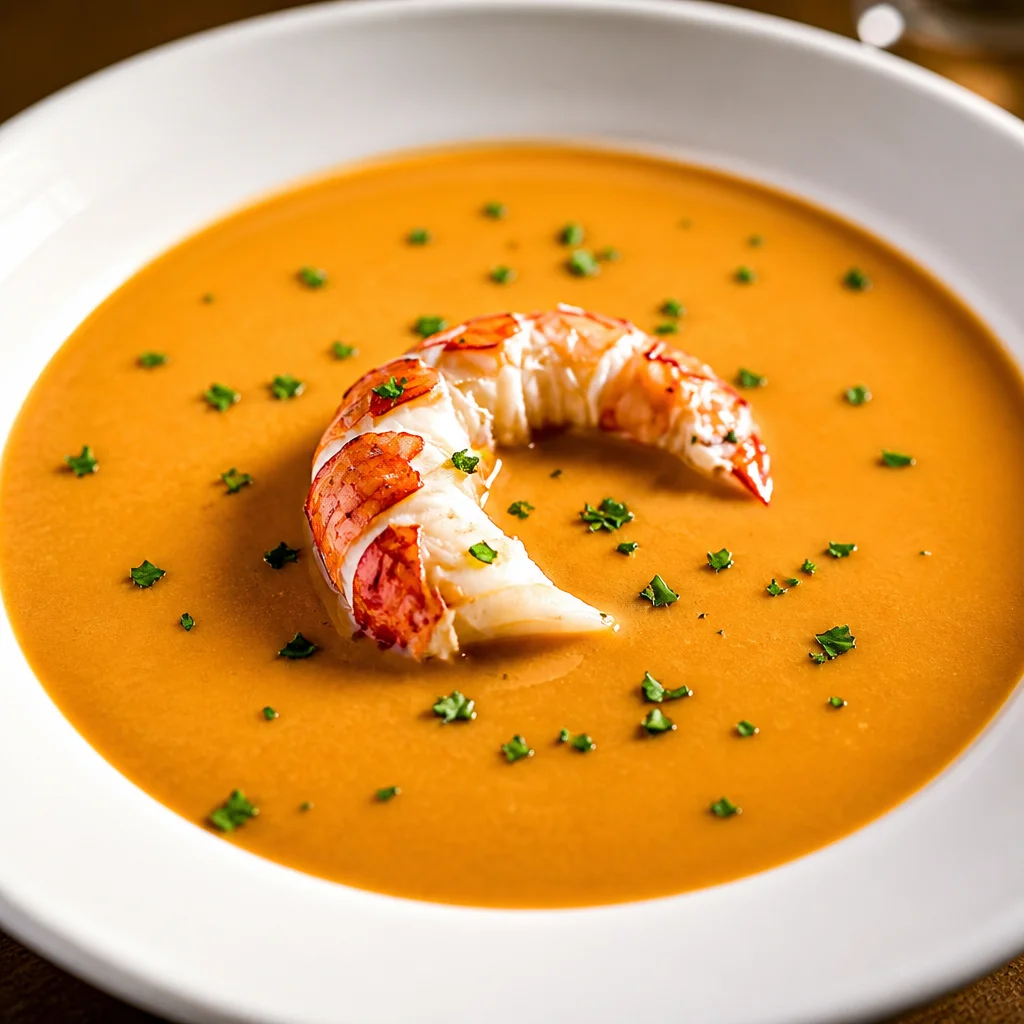
Lobster Bisque
Ingredients
Method
- Prep the lobster shells by cracking or cutting them into smaller pieces.
- Melt butter in a large pot and sauté the shells for 5 to 8 minutes until fragrant.
- Add chopped onion, celery, and carrot; cook for about 5 minutes.
- Stir in minced garlic for the last 30 seconds.
- Add tomato paste and cook for 2 minutes.
- Deglaze the pot with dry white wine and let it simmer for 2 to 3 minutes.
- Add water (or seafood stock), bay leaf, and thyme; simmer gently for 35 to 45 minutes.
- Strain the stock through a fine mesh strainer into a clean pot.
- If needed, reduce the stock by simmering for another 10 to 15 minutes.
- Blend a portion of the cooked veggies from the stock with some stock for thickness, then stir back in.
- Lower heat and stir in heavy cream. Start with less, adding more if desired.
- Season with salt, pepper, and cayenne. Add cognac or brandy if using.
- Stir in chopped lobster meat and warm through for 1 to 2 minutes.
- Serve hot with crusty bread and optionally some squeezed lemon and chopped chive.