
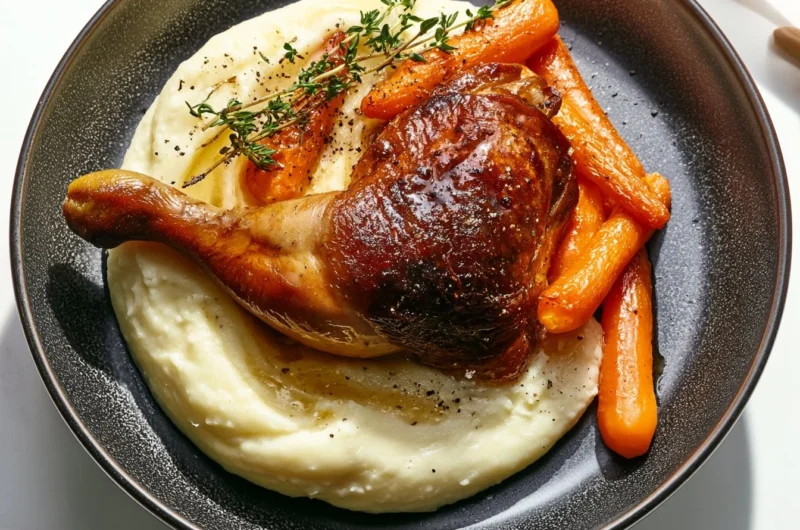
Easy French Duck Confit Recipe
The golden, crackling skin of duck confit bubbling gently in its own fat fills the kitchen with a savory aroma that feels almost sacred. As I stood stirring simmering vegetables for a side dish, I could hear the faint sizzle as the duck met heat, a promise of tender meat and crispy skin, all waiting to be savored. This dish is not only a staple in French cuisine but also a warm reminder of the passion and patience that goes into creating something truly wonderful. You may also find Deliciously Easy French Duck A Lorange Recipe Youll Love useful.
Embarking on a journey to make the perfect Easy French Duck Confit recipe might seem daunting, but with the right techniques and a little love, you’ll have a sumptuous meal that delights the senses. This guide will walk you through understanding why this dish shines, the ingredients necessary, and step-by-step directions to achieve that melt-in-your-mouth experience. You may also find Savory Traditional French Duck Confit Recipe To Savor useful.
Why you’ll love this Easy French Duck Confit Recipe
- Tender, juicy duck: The slow-cooking method ensures the duck remains moist while the skin crisps up beautifully.
- Rich flavor profile: The combination of herbs and aromatics elevates the dish, providing depth and complexity.
- Make-ahead meal: Duck confit can be prepared in advance, allowing you more time to relax and enjoy.
- Versatile serving options: Pair it with a variety of sides, like potatoes or greens, or use it in salads or sandwiches.
Ingredients you’ll need
- 4 duck legs (thighs and drumsticks) (this cut tends to be juicier than breast meat, which can dry out)
- Salt (essential for curing the duck and enhancing flavor)
- 2 cups duck fat (for authentic flavor; olive oil can be a substitute but won’t replicate the same richness)
- Aromatics:
- 4 cloves garlic, crushed (adds fragrance and flavor)
- 2 sprigs fresh thyme (provides a fragrant herbal note)
- 1 bay leaf (for additional depth of flavor)
How to make Easy French Duck Confit (step-by-step)
-
Cure the Duck: A day ahead, generously salt the duck legs and sprinkle with thyme and crushed garlic. Place them in a dish, cover, and let them cure in the refrigerator overnight. This helps to draw out moisture and infuse flavor. You may also find Decadent Easy French Chocolate Mousse Recipe Youll Crave useful.
-
Prep for Cooking: The next day, rinse the duck legs under cold water to remove excess salt and pat dry with paper towels.
-
Melt the Fat: In a heavy-bottom pot or Dutch oven, melt 2 cups of duck fat over low heat. Ensure it is enough to completely submerge the duck legs.
-
Cook the Duck: Place the cured duck legs skin side down in the melted fat. Add the bay leaf and cook gently for about 2 hours, or until the meat is tender and easily pulls away from the bone.
-
Crisp the Skin: Once cooked, carefully remove the duck legs from the fat. If desired, place them skin side up on a baking sheet and broil for a few minutes until the skin is golden and crispy—this step can take your duck confit to the next level.
-
Store in Fat (Optional): If not serving immediately, return the duck to the pot with the fat to keep it moist. It can be stored this way for several weeks in the refrigerator.
-
Serve and Enjoy: Pair duck confit with crispy potatoes or a fresh salad. You might also want to try it as a filling for a savory crepe or in a rich pasta dish.
Tips for the best results
- Use high-quality duck fat: It plays a pivotal role in flavor and texture, so sourcing authentic duck fat makes a difference.
- Slow and low is key: Keeping the cooking temperature low prevents the duck from drying out and ensures gentler cooking of the meat.
- Don’t rush the crisping process: If you opt to crisp the skin in the oven, keep an eye on it to prevent burning.
Common mistakes to avoid
- Not curing long enough: Letting the duck sit overnight makes a significant difference in flavor.
- Overcrowding the pot: Make sure there’s enough space between duck legs for the fat to circulate, leading to even cooking.
- Ignoring the fat temperature: Always keep the fat low; a high temperature can cause the meat to toughen.
Variations
- Spice it up: Try adding a pinch of crushed red pepper flakes for a hint of heat.
- Citrus twist: Incorporate orange zest into the curing process for a fresh, zesty note.
Storage and reheating
Duck confit can be stored in the refrigerator for up to three weeks, submerged in its fat. When you’re ready to enjoy it, simply reheat the duck in a skillet over medium heat until warmed through and the skin is crispy. It can also be gently reheated in an oven at 350°F (175°C) for about 20 minutes.
Frequently asked questions
- Can I use frozen duck? Yes, but it’s best to thaw it completely before curing.
- Why did mine turn out dry? This typically happens if the cooking temperature was too high. Always cook on low heat to ensure moisture retention.
- Can I make this ahead? Yes, making confit in advance not only enhances flavors but also makes for a convenient meal option.
Final thoughts
Turning out the perfect Easy French Duck Confit recipe doesn’t just require skill; it demands a bit of love and tradition. As you sit down to share it with friends or family, the tender meat and crispy skin will surely resonate with the joy of cooking and the aromas of a French kitchen.
Conclusion
Duck confit is truly a classic that never goes out of style, celebrated for its deep flavors and comforting textures. If you’re looking for comprehensive instructions on creating this dish, consider checking out Duck Confit (French slow-cooked duck) – RecipeTin Eats or explore a simpler option with Easy to Make Duck Confit Recipe – Kendall-Jackson to enhance your culinary skills. Enjoy your cooking adventure!