Homard Thermidor: A Culinary Classic Worth Savoring
The warm glow from the oven fills the kitchen as a tantalizing aroma spirals into the air, rich with the buttery essence of lobster and a hint of sherry. It’s a smell that brings back memories of special family gatherings, where laughter floated alongside the rich, savory scent of Homard Thermidor, my grandmother’s signature dish. Each bite was an indulgent celebration, wrapping creamy béchamel and cheese lovingly around lobster meat that was perfectly tender yet slightly firm.
Creating this classic French dish is not just about the ingredients; it’s about crafting a moment that brings people together around the table.
Why you’ll love this Homard Thermidor
- Elevated flavor: The combination of creamy sauce, tender lobster, and a crispy topping creates a dish with unmatched depth.
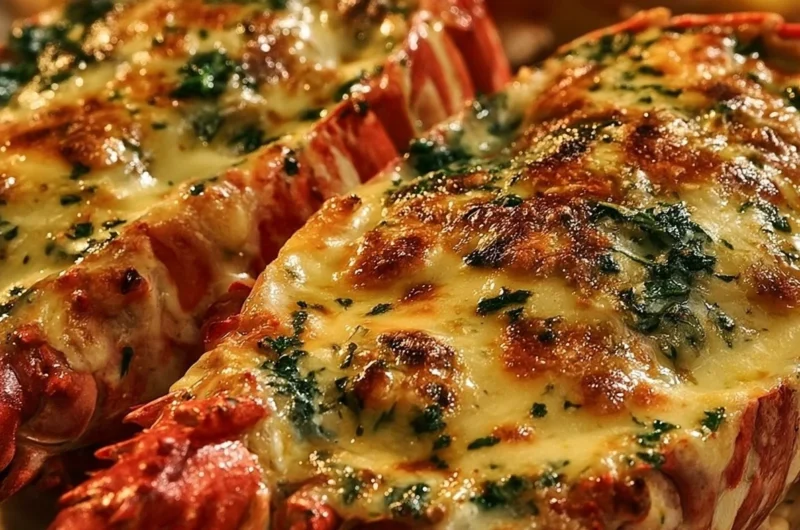
- Impressive presentation: Serving lobster in its shell makes for a stunning centerpiece that’s sure to impress guests.
- Perfect for special occasions: This dish stands out during festive meals or romantic dinners.
- Adaptable recipe: You can modify the ingredients to suit dietary preferences or availability.
- Pairs well with various sides: Its luxurious taste complements everything from simple green salads to elegant, buttery potatoes.
Ingredients you’ll need
- 2 whole lobsters (freshness matters—live lobsters yield the best taste)
- 2 tablespoons unsalted butter (for richness in the sauce)
- 1 shallot, finely chopped (adds a subtle onion flavor)
- 1 cup white wine (brings acidity and depth)
- 1 cup heavy cream (to create that lush sauce)
- 1 tablespoon Dijon mustard (for a tangy kick)
- 1 cup grated Gruyère cheese (adds a nutty, melty texture)
- Salt and pepper to taste (to balance flavors)
How to make Homard Thermidor (step-by-step)
- Prepare the lobsters: Bring a large pot of salted water to a boil. Add the lobsters and cook for 8-10 minutes until bright red and just cooked through. Remove them from the pot and let them cool slightly.
- Extract the meat: Once cool, carefully crack the shells and extract the meat. Chop the lobster meat into bite-sized pieces and set aside.
- Make the sauce: In a medium saucepan, melt the butter over medium heat. Add the shallots and sauté until translucent. Pour in the white wine and allow it to simmer until reduced by half.
- Combine the cream and mustard: Stir in the heavy cream and Dijon mustard, bringing the mixture to a gentle simmer. Season with salt and pepper before adding the chopped lobster meat.
- Prepare for baking: Preheat your oven to 375°F (190°C). In a baking dish, place the lobster mixture back into the lobster shells, or use a gratin dish for a lovely presentation.
- Top with cheese: Generously sprinkle the grated Gruyère cheese over the lobster.
- Bake: Carefully place the filled lobsters in the oven and bake for about 15-20 minutes, or until the cheese is melted and bubbly with a golden crust on top.
- Serve: Plate the lobsters with a sprinkle of fresh herbs for garnish and serve them with a side of crusty bread for indulging in every last bite of that luscious sauce.
Tips for the best results
- Chill the ingredients: For the creamiest sauce, make sure your cream is cold when you add it to the saucepan.
- Don’t overcook the lobster: If overcooked, the lobster meat can become rubbery. Remove it from the heat as soon as it turns opaque.
- Experiment with cheeses: While Gruyère is traditional, you can use a mixture of cheeses for different flavors, such as parmesan or a sharp cheddar.
Common mistakes to avoid
- Skipping the deglazing: Don’t skip reducing the white wine, as this step concentrates the flavors and balances the dish.
- Not tasting the sauce: Always taste your sauce before baking; adjusting for seasoning at this stage can vastly improve the flavor.
- Using frozen lobster: Fresh lobster is best; however, if you’re using frozen, ensure it’s completely thawed and properly cooked before adding it to the sauce.
Variations
- Vegetarian option: Replace the lobster with sautéed mushrooms or zucchini for a delectable vegetarian variation.
- Spicy twist: Add a dash of cayenne pepper or paprika to the sauce for heat.
- Herbs and spices: Fresh herbs like tarragon or chives can add a fragrant note to the dish.
Storage and reheating
Store any leftovers in an airtight container in the refrigerator for up to two days. To reheat, place the lobster in an oven-safe dish and warm at 350°F (175°C) until heated through, approximately 10-15 minutes, to avoid drying it out.
Frequently asked questions
Can I use other seafood in this recipe? Yes! Shrimp or crab meat can be substituted for lobster in this delightful dish.
How do I know when the lobster is perfectly cooked? Look for bright red shells and opaque meat.
Can I make this dish ahead of time? Yes, you can prepare the lobster filling ahead of time and bake it just before serving.
Final thoughts
Each time I make Homard Thermidor, I’m reminded of those cozy gatherings filled with warmth and laughter. The buttery richness, punctuated with a hint of wine and cheese, creates flavors that linger like treasured memories—a perfect ode to togetherness through great food.
To elevate your culinary repertoire further, consider exploring more seafood options, such as traditional classic French bisque de homard, or experiment with vegetarian iterations of rich seafood dishes.
Conclusion
In the realm of sumptuous seafood options, Homard Thermidor stands as a timeless classic that epitomizes elegance and flavor. It has earned its place among the culinary greats, often celebrated for its rich combinations and sophisticated presentation. If you want to know more about the origins of this delightful dish, check out its fascinating history on Lobster Thermidor – Wikipedia. Additionally, for those looking for a plant-based recreation, the VEGAN HOMARD THERMIDOR – The Vegan Version offers a creative twist!