
Why You’ll Love This Croissant
Croissants can transform any day into a special occasion. Their flaky layers and buttery aroma fill the kitchen with warmth and nostalgia. When made at home, they can be a delightful project that brings together family and friends. Imagine biting into a fresh croissant, its golden crust giving way to a soft, tender interior, as the buttery flavor dances on your palate. If you are on the quest for the best flaky croissant, this recipe will guide you every step of the way. You may also find Flaky French Croissant Recipe useful.
Ingredients
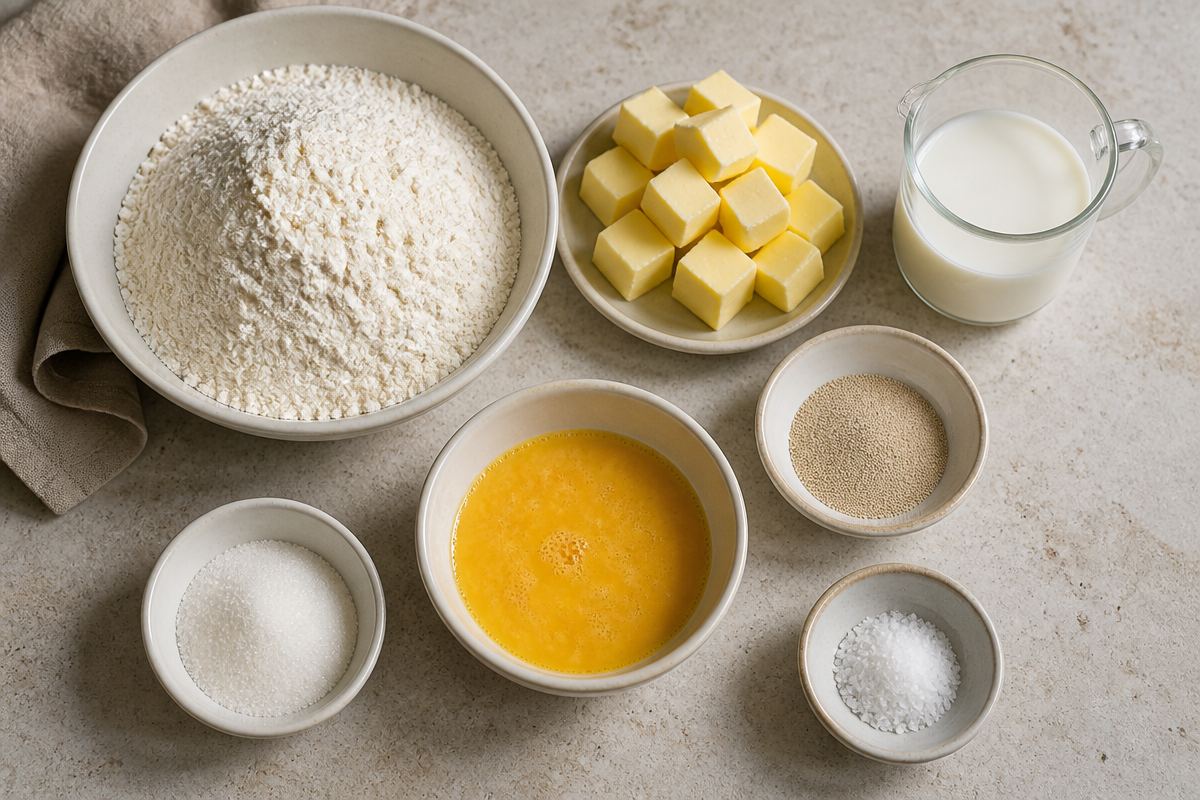
You may also find Classic French Ratatouille Recipe A Heartwarming Family Favorite useful.
- 4 cups all-purpose flour
- 1 cup cold unsalted butter
- 1 cup whole milk, warm
- 1 packet active dry yeast (2 1/4 tsp)
- 1/4 cup white granulated sugar (or honey)
- 1 tsp salt
- 1 egg, beaten (for egg wash)
To make the best croissants, it’s essential to use high-quality butter and flour. Opt for European-style butter if you can, as it has a higher fat content which enhances the flavor and flakiness. For dietary needs, consider using almond milk for a dairy-free option, and for gluten-free, a blend of gluten-free flour can work, though texture may vary.
The Only Croissant Recipe You Need
This recipe works perfectly because it balances the science of layering dough and butter while keeping it approachable.
Why This Recipe Works:
- Perfectly Flaky: The method creates layers that expand beautifully in the oven.
- Buttery Flavor: High-quality butter makes a significant difference in taste.
- Satisfying Process: Making croissants can be a rewarding experience.
- Customizable: You can experiment with fillings like chocolate or almond paste, or try your hand at crepes for variety.
This croissant recipe stands out for its detailed layering technique that ensures each bite is a delightful experience.
Step-by-Step Directions
-
Prepare the Yeast Mixture: In a small bowl, combine warm milk, sugar, and yeast. Let it sit for about 5 minutes until foamy. Tip: Ensure your milk is warm but not hot, or you risk killing the yeast.
-
Make the Dough: In a large bowl, mix flour and salt. Add the yeast mixture and combine until a dough forms. Knead the dough for about 5 minutes until smooth and elastic, feeling the warm texture in your hands. Watch out for over-kneading, which can toughen the dough.
-
Shape the Butter: Place cold butter between two sheets of parchment paper, flattening it into a rectangle about 1/2 inch thick. Chill in the refrigerator until firm but pliable. The goal is to make it manageable without melting it.
-
Encapsulate the Butter: Roll out the dough into a larger rectangle than the butter block. Position the butter in the center and fold the dough over, sealing the edges well. Roll it out again into a large rectangle and fold it into thirds like a letter. Chill for 30 minutes. Avoid pressing down too hard while rolling, keeping those layers intact.
-
Repeat the Process: Roll out the dough and fold it two more times, chilling in between each fold. The lamination process is what gives the croissant its flaky texture.
-
Cut and Shape: Roll out the laminated dough into a rectangle about 1/4 inch thick. Cut into triangles, rolling each from the base to the tip to shape the croissants. Place them on a parchment-lined baking sheet. Make sure the triangles are even for uniform baking.
-
Let Them Rise: Cover the croissants and let them rise in a warm place until doubled in size, about 1-2 hours. This stage builds that airy structure that’s essential.
-
Bake to Perfection: Preheat your oven to 375°F (190°C). Brush the croissants with the beaten egg before baking for a golden crust. Bake for 15-20 minutes until golden brown and flaky. Keep an eye on them towards the end to prevent burning.
-
Cool and Serve: Allow the croissants to cool slightly before serving. Enjoy them warm or at room temperature, perhaps paired with some jam or a nice cup of coffee.
Serving Ideas
Croissants shine on their own but can be even better with simple pairings. Enjoy them with a side of fresh fruit for a breakfast treat. For a more indulgent option, spread some rich chocolate or almond butter inside the warm croissant. They are perfect for brunch or as a special addition to any pastry platter.
Storage and Reheating
Store leftover croissants in an airtight container. They will stay fresh for up to 2 days at room temperature or up to 1 week in the fridge. For longer storage, freeze them for up to a month. To reheat, place them in a preheated oven at 350°F (175°C) for about 5-10 minutes, restoring their crispy exterior while keeping the inside fluffy.
Pro Tips
- Don’t Rush the Rise: Give your dough plenty of time to rise; this is key to great texture.
- Use Ice-Cold Ingredients: This keeps the butter from melting while rolling; it ensures that the layers stay intact.
- Avoid Overmixing: When combining ingredients, mix just until combined to keep your croissants light.
- Experiment with Fillings: Try adding chocolate, cheese, or ham for a unique twist on the classic.
- Be Patient: Croissants take time, but the results are well worth the effort.
Variations
Spicy Version
Add finely chopped jalapeños and cheddar cheese into the center before rolling them up for a cheesy, spicy twist on the classic.
Lighter and Healthier Version
Substitute half the butter with applesauce to reduce fat content while still enjoying a tender croissant, though it will alter the traditional texture.
Vegetarian or Vegan Version
Use a plant-based butter substitute and non-dairy milk to create a vegan croissant that is just as delicious.
FAQ
Q: Can I make the dough ahead of time?
A: Yes, you can prepare it the day before and refrigerate it. Just allow it to warm slightly before rolling it out the next day.
Q: How long do croissants last?
A: When stored properly, homemade croissants can last for about two days at room temperature or a week in the fridge.
Q: What’s the best way to freeze croissants?
A: First, let them cool completely, then wrap them tightly in plastic wrap and place them in a freezer-safe bag.
Q: Why is my croissant dough too tough?
A: If the dough is overworked during mixing or rolling, it can become tough. Be gentle and avoid overworking it.
Q: Do I need special equipment to make croissants?
A: No special equipment is necessary; a rolling pin and some parchment paper will do the trick!
Conclusion
Making croissants from scratch can be a rewarding experience. With a little practice, you’ll achieve that desired flaky texture and rich flavor. For an in-depth guide on creating homemade French croissants, you might want to check out this step-by-step recipe. Alternatively, for a more simplified approach, visit this recipe by La Cuisine de Géraldine. Happy baking!
Croissants
Ingredients
Method
- Prepare the yeast mixture: In a small bowl, combine warm milk, sugar, and yeast. Let it sit for about 5 minutes until foamy.
- Make the dough: In a large bowl, mix flour and salt. Add the yeast mixture and combine until a dough forms. Knead the dough for about 5 minutes until smooth and elastic.
- Shape the butter: Place cold butter between two sheets of parchment paper, flattening it into a rectangle about 1/2 inch thick. Chill in the refrigerator until firm.
- Encapsulate the butter: Roll out the dough into a larger rectangle than the butter block, position the butter in the center and fold the dough over, sealing the edges well.
- Repeat the process: Roll out the dough and fold it two more times, chilling in between each fold.
- Cut and shape: Roll out the laminated dough into a rectangle about 1/4 inch thick. Cut into triangles and roll each from the base to the tip.
- Let them rise: Cover the croissants and let them rise in a warm place until doubled in size, about 1-2 hours.
- Bake to perfection: Preheat your oven to 375°F (190°C), brush the croissants with beaten egg, and bake for 15-20 minutes until golden brown.
- Cool and serve: Allow croissants to cool slightly before serving. Enjoy warm or at room temperature.